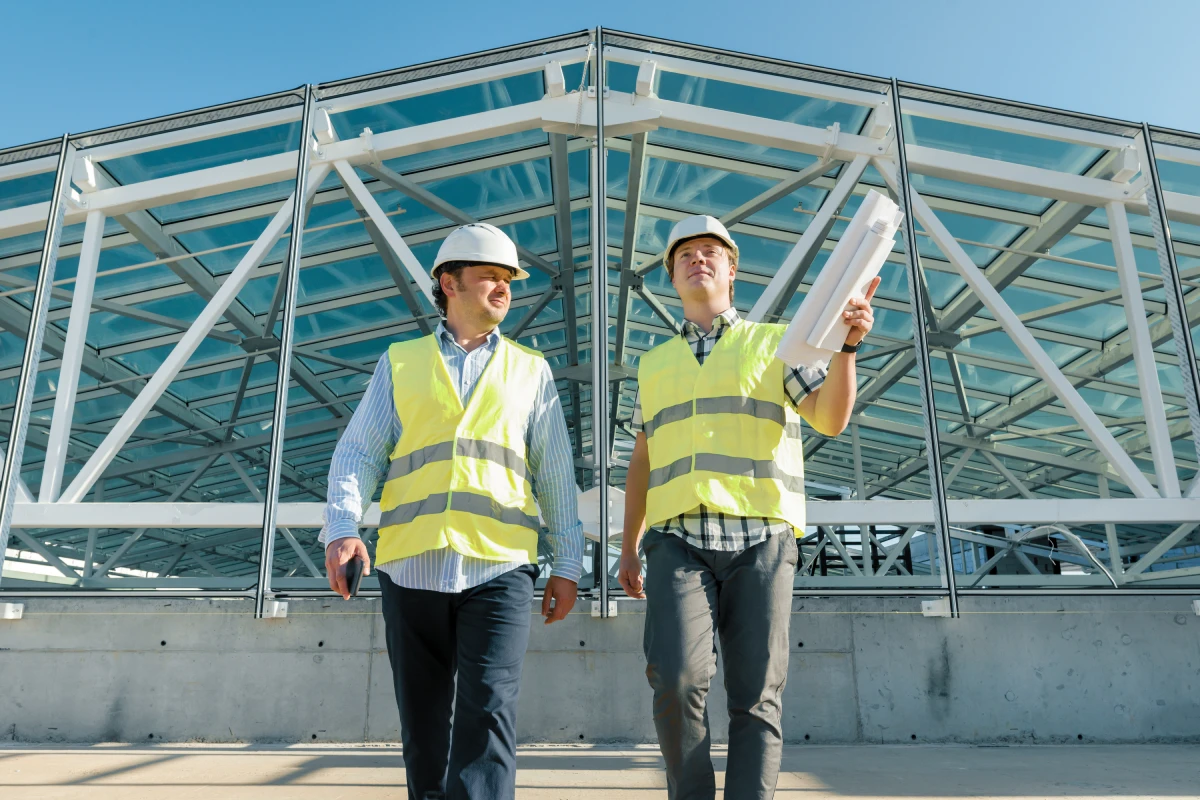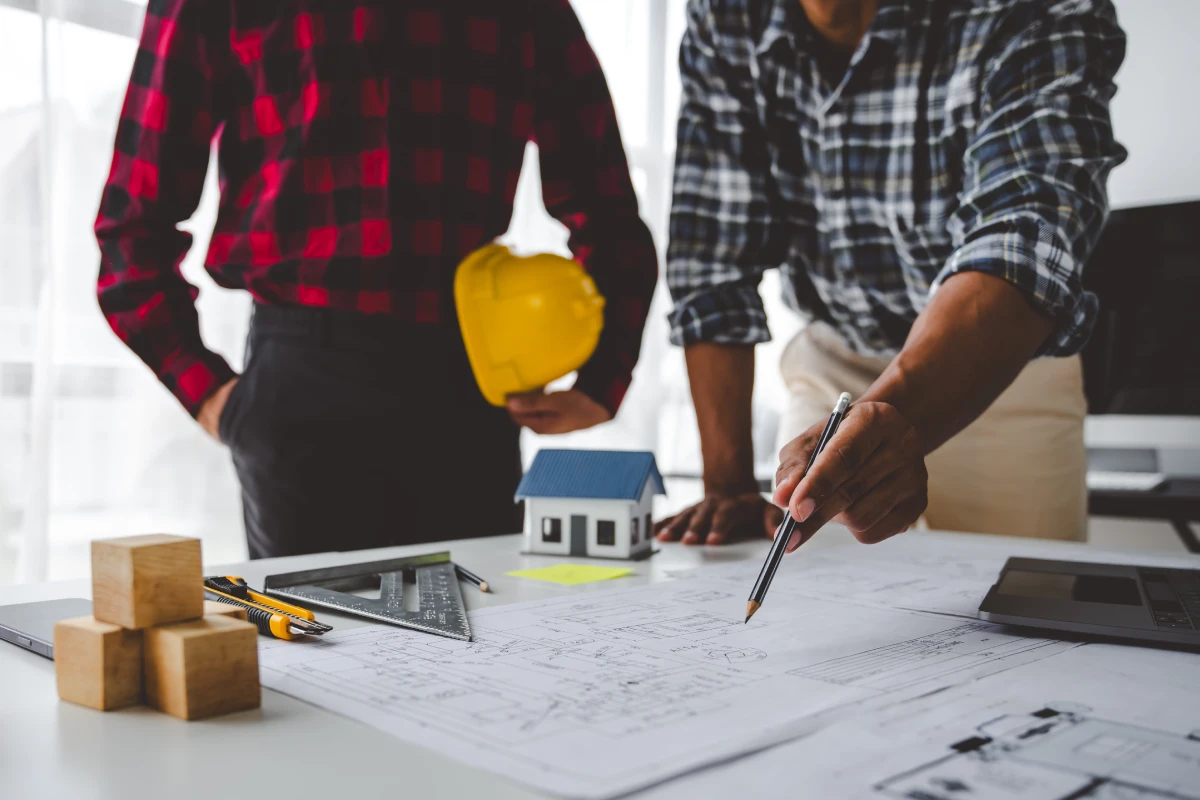
Whether you’re building a dream home, commercial space, or starting a large-scale infrastructure development, planning your construction project is the most critical step toward ensuring success. A well-structured plan not only saves time and money but also minimizes stress and prevents costly mistakes. In this guide, we walk you through the key stages of construction planning—from setting your goals to choosing the right team and managing timelines and budgets.
1. Define Your Construction Goals
Every successful project begins with a clear vision. Ask yourself:
- What is the purpose of this project?
- Who will use the structure, and how?
- What is your desired completion date?
- What is your maximum budget?
Whether it’s a residential home, office building, or warehouse, having defined goals will guide all your decisions—from design to materials.
2. Set a Realistic Budget
Budgeting goes far beyond estimating how much the structure will cost. A good construction budget includes:
- Land costs (if applicable)
- Design and architectural fees
- Permits and legal approvals
- Labor and materials
- Equipment and machinery
- Contingency fund (typically 10–15% of total costs)
Tip: Always overestimate rather than underestimate. Construction projects often experience unexpected changes.
3. Choose the Right Location
Location impacts everything—budget, regulations, labor availability, access to resources, and even resale value. When selecting a site, consider:
- Soil and terrain condition
- Proximity to utilities (water, electricity, roads)
- Zoning laws and building restrictions
- Future development plans in the area
Getting a land surveyor or real estate expert can help avoid surprises later.
4. Develop a Construction Plan and Timeline
Break your project into clear phases:
- Design and approval
- Site preparation
- Foundation work
- Structural build
- Roofing, plumbing, electrical
- Interior finishes
- Final inspection and occupancy
Use project management tools or Gantt charts to visualize your timeline and manage progress. Account for delays due to weather, labor shortages, or supply issues.
5. Assemble a Skilled Team
Your project’s success largely depends on the professionals you hire. Your team may include:
- Architect or designer
- General contractor or construction manager
- Engineers (civil, structural, MEP)
- Subcontractors (plumbers, electricians, masons)
- Interior designer (optional)
Tip: Check licenses, portfolios, and references before hiring. Make sure the team understands your vision and communicates clearly.
6. Secure Permits and Approvals
Most construction projects require:
- Building permits
- Zoning approval
- Environmental clearances
- Safety inspections
Starting without legal clearance can lead to heavy penalties or even demolition. A good contractor can help navigate local regulations and streamline the process.
7. Choose Materials Wisely
Material selection impacts durability, cost, sustainability, and aesthetics. Decide early on:
- Brick, block, or prefab?
- Energy-efficient windows and insulation?
- Sustainable or recycled materials?
- Flooring, roofing, and interior finishes
Balance long-term performance with upfront costs. Your architect or builder can suggest cost-effective alternatives.
8. Manage Risks and Safety
Construction involves hazards, and proper risk management is vital:
- Ensure compliance with OSHA or local safety standards
- Provide PPE (Personal Protective Equipment)
- Use safety signage and barriers
- Schedule regular site inspections
- Obtain construction insurance (liability, equipment, workers’ comp)
A safe project is a productive project.
9. Monitor Progress and Stay Involved
Stay in regular contact with your project manager or site supervisor. Ask for weekly progress updates and site photos. Use project management apps or shared folders to track:
- Budget spend vs. actual
- Timeline progress
- Change requests
- Quality of workmanship
Your involvement helps prevent miscommunication and ensures the project stays aligned with your vision.
10. Final Inspection and Handover
Before moving in or opening the space, conduct a final walkthrough:
- Check for defects, incomplete work, or cosmetic flaws
- Ensure all systems (plumbing, electric, HVAC) function properly
- Verify code compliance and occupancy certification
Request a completion report from your contractor and maintain a record of warranties and manuals.
Conclusion
Planning your construction project with precision and foresight sets the foundation for a successful build. From budgeting and site selection to team building and timeline management, each step plays a vital role. Remember: great construction isn’t just about bricks and concrete—it’s about creating a space that meets your needs, reflects your vision, and stands the test of time.
With the right preparation and professionals by your side, your dream project can become a reality—on time, on budget, and stress-free.