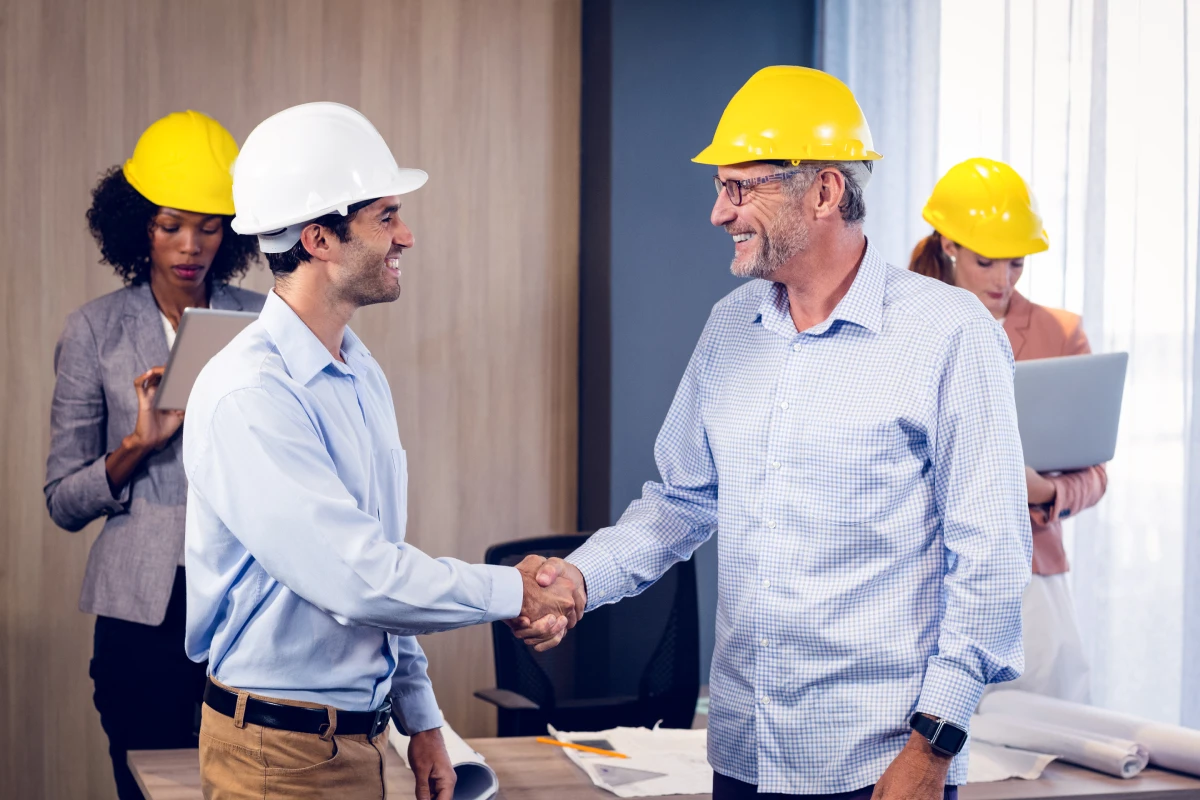
In the modern world, the skyline of any city tells the story of progress and development. Behind every towering skyscraper, every safe home, and every infrastructure marvel is the dedicated effort of a construction company. From initial blueprints to the final touch of paint, construction companies play a vital role in shaping our living and working environments. In this blog, we explore the core responsibilities, impact, and evolving role of a construction company in today’s ever-growing urban landscape.
1. What Is a Construction Company?
A construction company is an organization that plans, designs, builds, and manages construction projects, ranging from residential homes and commercial complexes to industrial buildings and infrastructure. These companies act as the central coordinating body for projects, ensuring they are delivered safely, on time, within budget, and to the client’s specifications.
There are different types of construction companies based on the services they provide, such as:
- Residential construction firms
- Commercial construction companies
- Industrial and heavy civil contractors
- Design-build firms
- General contractors and subcontractors
2. Project Planning and Management
Every successful building project starts with a well-thought-out plan. One of the key roles of a construction company is to manage the entire project lifecycle. This includes:
- Feasibility Studies: Assessing whether the project is viable technically and financially.
- Cost Estimation and Budgeting: Providing accurate pricing to ensure affordability.
- Scheduling: Creating realistic timelines for each phase of the project.
- Permitting and Legal Compliance: Ensuring all licenses, zoning laws, and building codes are adhered to.
Construction companies use project management software and lean construction methodologies to keep everything organized and on track.
3. Design and Engineering Collaboration
While architects and engineers are responsible for the structural and aesthetic design, construction companies often collaborate closely with these professionals during the design phase. They provide practical insights, value engineering suggestions, and construction feasibility feedback to optimize both cost and constructability.
Some construction companies offer design-build services, which combine design and construction into a single contract. This reduces communication gaps, shortens timelines, and increases efficiency.
4. Procurement and Resource Management
Sourcing the right materials, labor, and equipment is a critical function. Construction companies:
- Source and purchase quality building materials.
- Hire subcontractors for specialized tasks like plumbing, electrical work, or HVAC systems.
- Manage logistics, equipment rentals, and delivery schedules.
- Ensure all team members are trained, insured, and compliant with site safety regulations.
This role requires strong supplier relationships, market awareness, and negotiation skills.
5. On-Site Construction Execution
The most visible role of a construction company is the actual on-site construction. This includes:
- Laying foundations
- Erecting structures
- Installing utilities
- Interior and exterior finishing
They supervise skilled laborers, ensure adherence to design specs, and manage real-time problem-solving. Site supervisors and foremen play a crucial role in ensuring quality workmanship and safety compliance.
6. Quality Control and Safety Assurance
Construction companies are responsible for maintaining the highest standards of quality and safety. Their tasks include:
- Implementing quality control systems
- Conducting regular site inspections
- Monitoring materials and workmanship
- Ensuring safety protocols are followed (PPE, training, emergency procedures)
Safety is a top priority in construction. A reliable company promotes a safety-first culture and complies with OSHA and local regulations.
7. Sustainability and Environmental Responsibility
Modern construction companies are increasingly incorporating eco-friendly practices. This includes:
- Using sustainable materials (e.g., recycled steel, bamboo, low-VOC paints)
- Installing energy-efficient systems
- Minimizing construction waste and carbon emissions
- Promoting green building certifications (like LEED)
By reducing the environmental impact, construction companies contribute to a more sustainable future.
8. Client Communication and Transparency
From the initial consultation to project delivery, construction companies are expected to maintain clear, ongoing communication with their clients. They:
- Provide regular updates and reports
- Handle changes and modifications professionally
- Offer expert guidance and consultation
- Ensure transparency in billing and budgeting
A good construction company builds trust by putting the client’s needs first and being fully accountable.
9. Post-Construction Services
The role of a construction company doesn’t end after construction. Many also offer post-construction services, such as:
- Final walkthroughs and inspections
- Warranty management
- Ongoing maintenance
- Facility management training for client teams
These services help ensure long-term satisfaction and build lasting relationships with clients.
10. The Evolving Role of Construction Companies in a Digital Age
With the rise of technology, the role of construction companies is rapidly evolving. Today’s firms are embracing:
- Building Information Modeling (BIM) for detailed 3D design collaboration
- Drones and robotics for site inspection and heavy lifting
- Construction management software for real-time progress tracking
- AI and data analytics to predict risks and optimize resources
These advancements improve accuracy, speed, and cost-efficiency—ultimately transforming how projects are delivered.
Conclusion: More Than Just Builders
A construction company is not just a group of builders—it’s a full-service partner in realizing visions. Whether it’s building a dream home, a commercial headquarters, or a vital piece of public infrastructure, construction companies turn blueprints into reality. Their role spans planning, design, execution, compliance, safety, and sustainability.
As the world continues to urbanize and innovate, the role of construction companies will only grow more significant. Choosing the right one is crucial—not just for a successful build, but for the safety, quality, and future value of any property.