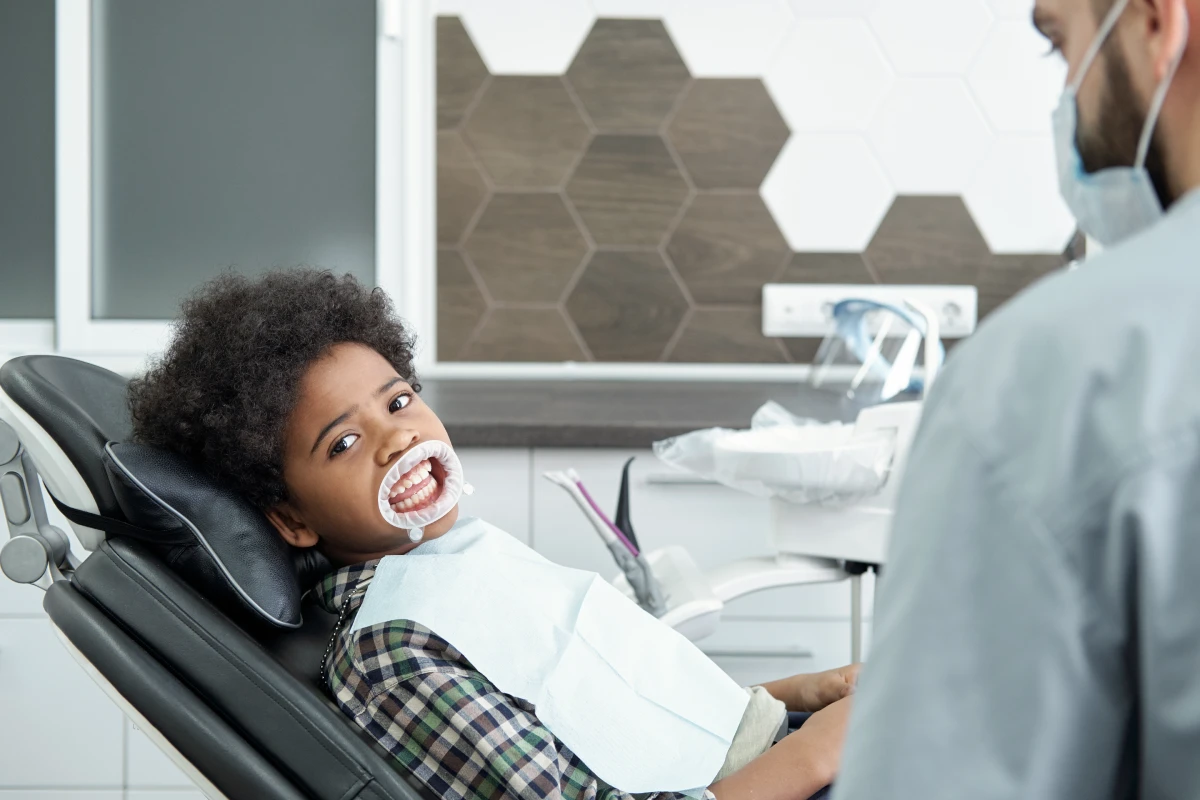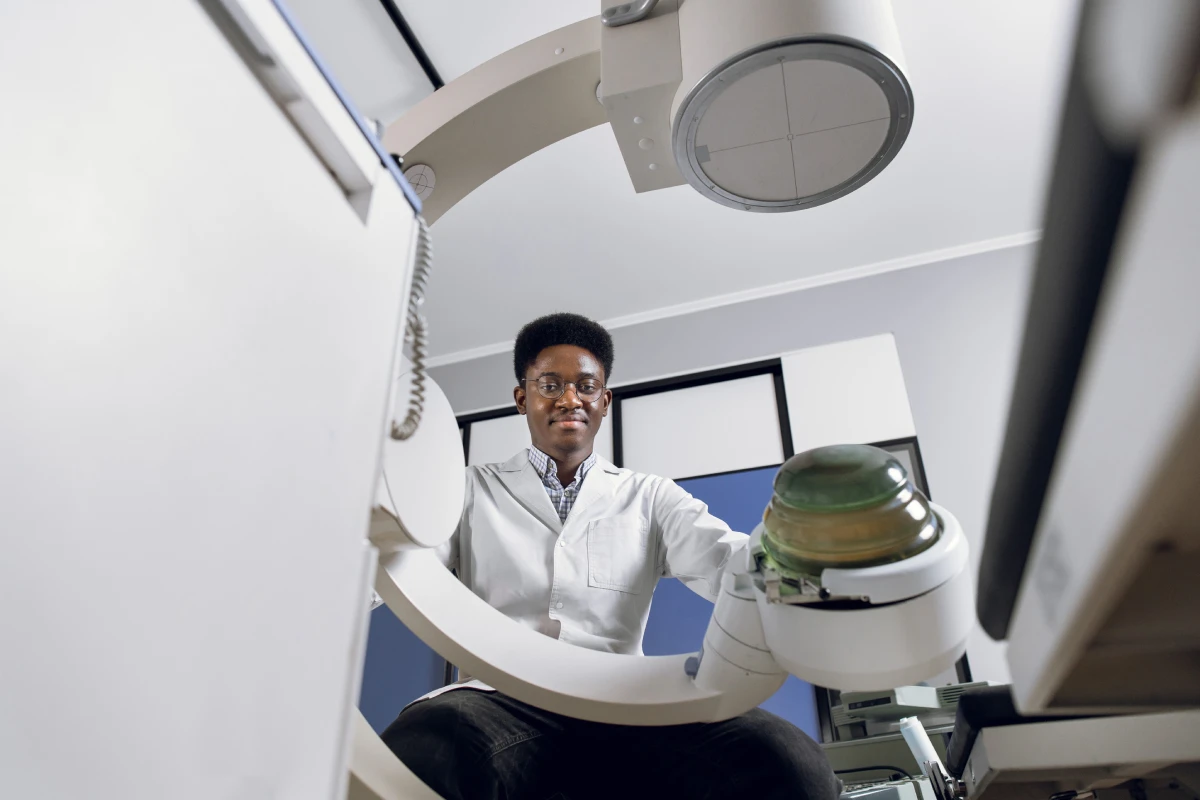
In the past, going to the dentist often meant long procedures, uncomfortable tools, and uncertain outcomes. But today, thanks to incredible advancements in dental technology, patients can expect faster, more precise, and significantly more comfortable experiences. From digital impressions to laser treatments, modern dentistry is transforming how we care for our teeth and gums.
In this blog, we’ll explore how cutting-edge dental technology blends precision and comfort, revolutionizing both the patient and practitioner experience.
1. The Evolution of Dental Technology
Dentistry has come a long way from its early days of primitive tools and painful procedures. With the rise of digital and smart technologies, dentists now use tools that:
- Reduce chair time
- Improve diagnosis accuracy
- Minimize discomfort
- Deliver long-lasting results
From 3D imaging to AI-powered diagnostics, the dental field is continuously evolving to offer patients safer and more effective care.
2. Digital Imaging: Clearer, Faster, Safer
One of the most groundbreaking shifts in dental diagnostics is the move from traditional X-rays to digital radiography and 3D cone beam imaging (CBCT).
Benefits of Digital Imaging:
- Lower radiation exposure
- High-resolution images in real-time
- Enhanced ability to detect early-stage issues like cavities, infections, or bone loss
- Useful for planning complex procedures like dental implants or orthodontics
With these tools, dentists can see exactly what’s happening beneath the surface and make data-driven decisions with incredible precision.
3. Intraoral Scanners: Goodbye to Gagging Molds
Traditional impressions, with their messy putty and discomfort, are quickly being replaced by intraoral scanners. These handheld devices capture a 3D image of the patient’s mouth within minutes.
Why Patients Love It:
- No more messy impression material
- Quick and accurate scans
- Better fitting crowns, bridges, aligners, and dentures
- A more comfortable and modern experience
These scanners enhance accuracy while ensuring the patient’s comfort throughout the process.
4. Laser Dentistry: Pain-Free Precision
Laser technology is now widely used in modern dental procedures. It offers unmatched accuracy in both soft and hard tissue treatments.
Common Laser Dentistry Applications:
- Gum contouring
- Cavity removal
- Frenectomy (for tongue-tie issues)
- Root canal disinfection
Key Benefits:
- Minimally invasive
- Less bleeding and swelling
- Faster healing times
- Often eliminates the need for anesthesia
Laser dentistry represents the perfect example of how technology enhances both comfort and precision in dental care.
5. CAD/CAM Technology: Same-Day Restorations
Computer-Aided Design (CAD) and Computer-Aided Manufacturing (CAM) allow dentists to create custom restorations—like crowns and veneers—on the same day.
Advantages of CAD/CAM:
- No temporary crowns needed
- Reduced treatment time
- Greater accuracy and aesthetics
- Long-lasting materials
This tech brings precision to the lab process and drastically improves convenience for patients.
6. Teledentistry: Remote Dental Consultations
With the rise of virtual care, teledentistry now enables remote consultations, follow-ups, and oral health screenings through secure video platforms.
Teledentistry Benefits:
- Ideal for initial consultations or second opinions
- Accessible from the comfort of home
- Saves travel time and costs
- Encourages preventive care and early intervention
Especially beneficial for elderly patients or those in rural areas, teledentistry ensures access to expert advice when needed most.
7. AI in Dentistry: Smarter Diagnoses
Artificial Intelligence (AI) is revolutionizing dental diagnostics. AI algorithms can analyze thousands of dental images to detect conditions like:
- Cavities
- Gum disease
- Oral cancers
- Bite issues
Why AI Matters:
- Faster diagnosis
- Reduced human error
- Enhances treatment planning
- Can predict future dental problems
This data-driven approach helps create customized treatment plans for each patient with unmatched accuracy.
8. Digital Smile Design (DSD): Visualize Your New Smile
Before committing to cosmetic procedures, patients can now see what their future smile will look like using Digital Smile Design (DSD) software.
How It Works:
- Dentists take digital photos and scans
- They design the new smile on-screen
- Patients can give feedback before treatment begins
This improves both satisfaction and confidence, turning cosmetic dentistry into a collaborative process.
9. Comfort-Focused Innovations in the Dental Chair
It’s not just the tools—the dental environment itself is becoming more patient-friendly. Many modern dental practices now offer:
- Noise-canceling headphones
- Relaxing music or Netflix
- Ergonomic chairs with massage features
- Sedation dentistry for anxious patients
All these features aim to create a calming and positive experience, especially for those who have dental anxiety.
10. The Future of Dentistry: What’s Next?
Looking ahead, we can expect even more advancements such as:
- Robotic-assisted dental surgeries
- 3D-printed biocompatible implants
- Genetic testing for personalized oral care
- Augmented reality for training and planning procedures
The future of dental care will continue to be faster, more accurate, and more comfortable, helping millions smile confidently with less stress.
Conclusion: The Perfect Blend of Precision and Comfort
The phrase “Dental Technology: Precision Meets Comfort” isn’t just a catchy tagline—it reflects a real shift in how dental care is delivered. Patients no longer have to choose between accuracy and a pleasant experience. With modern tools and techniques, they get the best of both worlds.