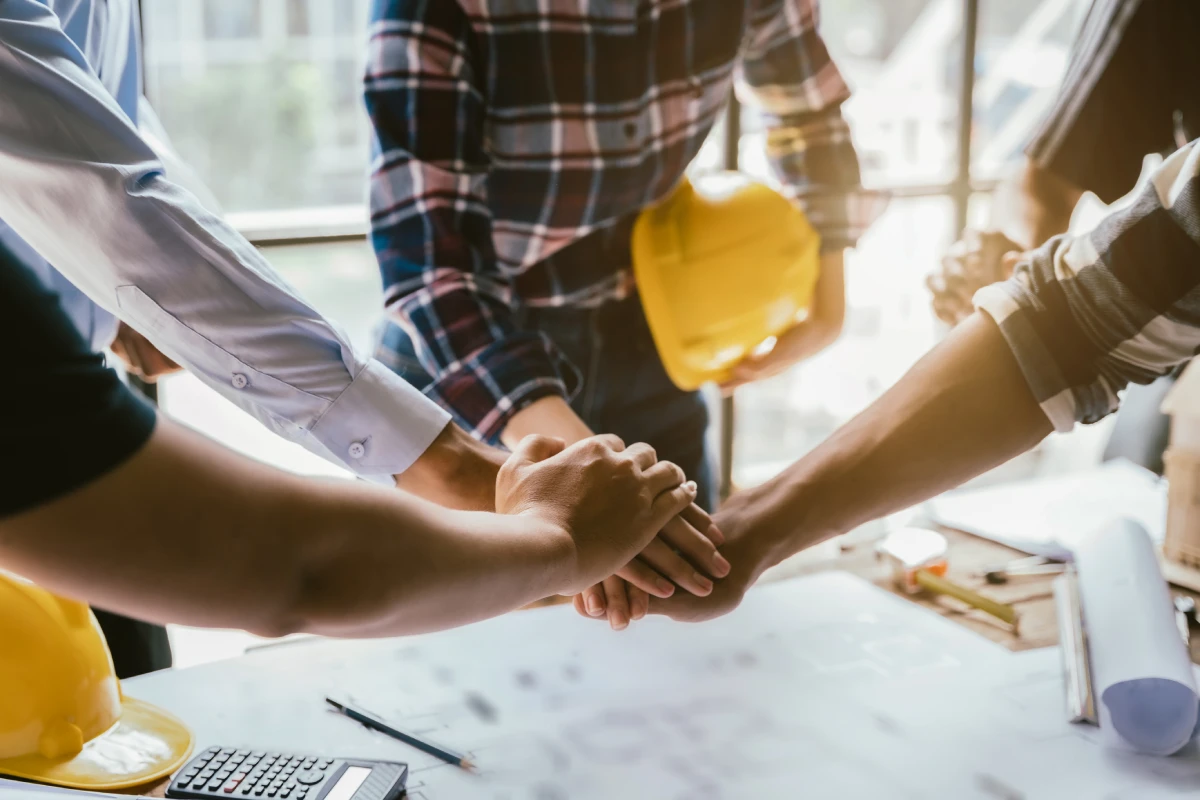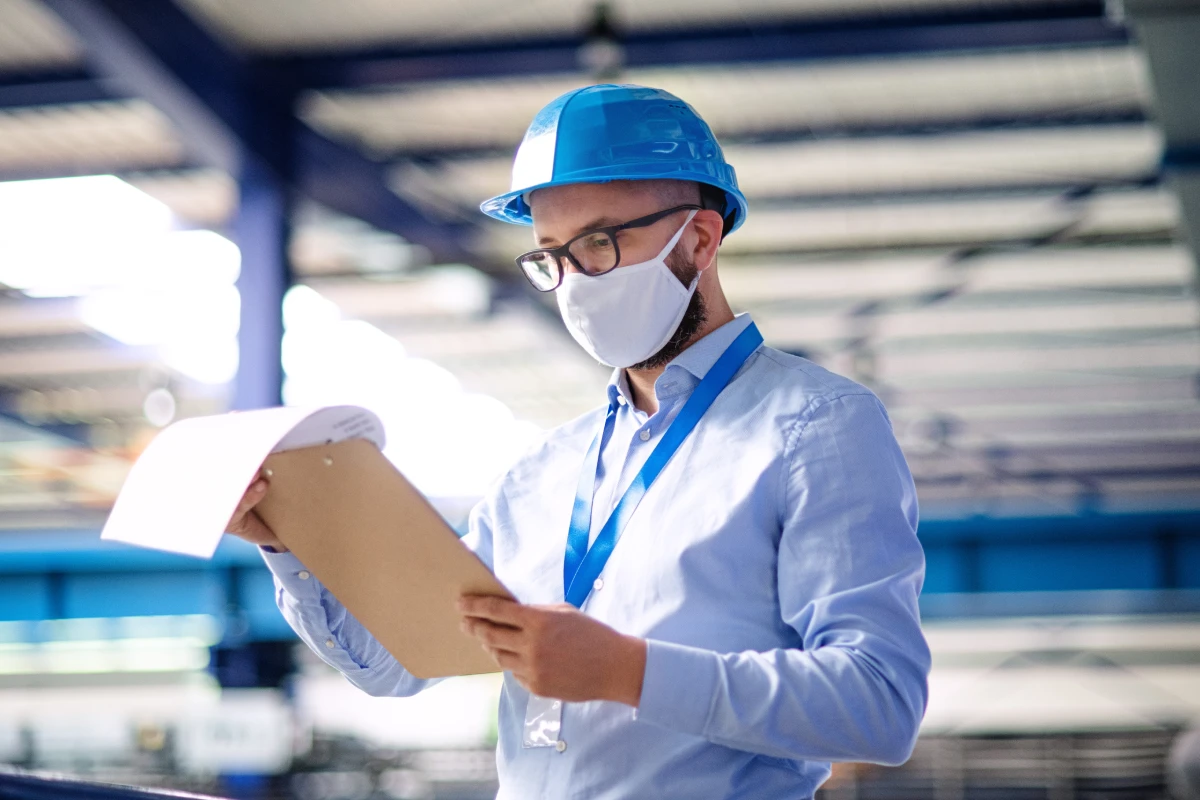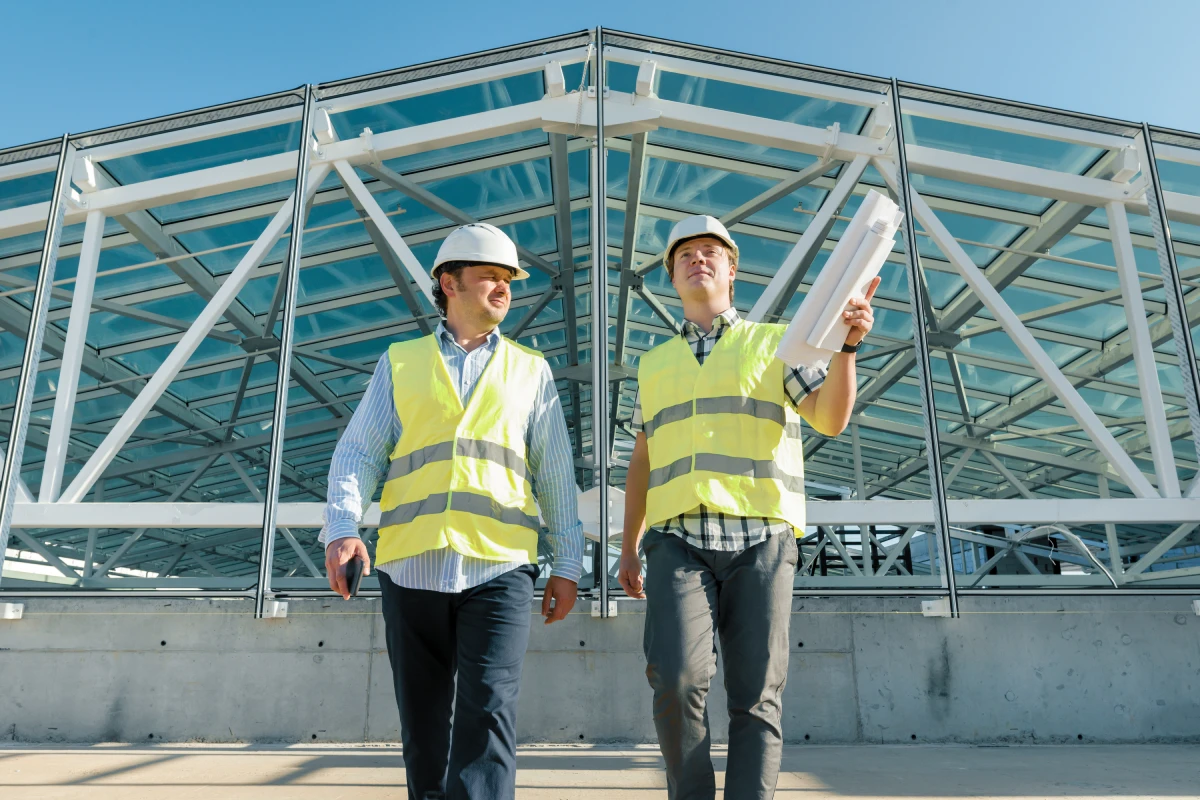
In today’s rapidly evolving world, commercial construction is no longer just about creating structures—it’s about building spaces that are functional, sustainable, and ready for the future. From smart office buildings to green retail hubs and adaptive warehouses, the commercial construction industry is transforming to meet modern business needs and environmental standards.
In this blog, we explore what it means to construct commercial buildings that are not only operationally effective today but also resilient and adaptable for the challenges of tomorrow.
1. The Role of Commercial Construction in Modern Business
Commercial construction involves the design, renovation, and building of structures intended for business activities. These include:
- Office buildings
- Retail spaces
- Industrial facilities
- Warehouses and distribution centers
- Hotels and multi-use commercial properties
The functionality and design of these buildings can directly impact business efficiency, employee productivity, customer experience, and long-term operational costs.
2. Core Principles of Functional Commercial Construction
A. Efficiency in Design
A functional commercial space must support workflow, employee comfort, and customer engagement. This includes:
- Open floor plans for collaboration
- Ergonomic layouts for employee well-being
- Energy-efficient HVAC and lighting systems
- Smart space utilization to reduce waste
B. Compliance and Safety
Adhering to local and international building codes, accessibility standards, and safety regulations is non-negotiable. This includes:
- Fire safety systems
- Emergency exits and accessibility ramps
- Proper signage and lighting
- Structural integrity to withstand local weather patterns
C. Scalability
Modern businesses evolve quickly. A well-constructed commercial property should be scalable and flexible:
- Modular office spaces
- Convertible retail zones
- Expandable warehouse frameworks
3. Embracing Smart Technologies
To be future-ready, commercial buildings are increasingly integrating smart technology. Some of the most impactful trends include:
Smart Building Systems
- IoT-enabled HVAC systems that adjust based on occupancy
- Automated lighting and energy systems to cut power consumption
- Cloud-based security and surveillance solutions
Building Management Systems (BMS)
These centralize the control of a building’s mechanical and electrical systems, improving maintenance scheduling, energy savings, and responsiveness to faults.
4. Sustainability in Commercial Construction
Environmental responsibility is now a key driver in commercial construction. Key elements include:
Green Building Materials
- Recycled steel and concrete
- Low-VOC (Volatile Organic Compound) paints
- Energy-efficient insulation
Renewable Energy Integration
- Solar panels for electricity
- Geothermal systems for heating and cooling
- Rainwater harvesting systems
LEED and Green Building Certifications
Pursuing certifications like LEED (Leadership in Energy and Environmental Design) not only supports sustainability but also boosts a building’s marketability and value.
5. Designing for the Workforce of Tomorrow
Modern commercial spaces must accommodate new ways of working:
- Hybrid workspaces with hot-desking
- Collaborative zones and quiet rooms
- Wellness and recreational areas
- Natural light and biophilic design to support mental health
6. Challenges in Future-Ready Construction
Despite the benefits, creating future-ready buildings comes with challenges:
- High initial costs for advanced tech and materials
- Longer planning and design phases
- Integration complexity between legacy systems and modern tech
- Skilled labor shortages in specialized construction roles
However, these challenges can be mitigated through strategic planning, partnerships with tech providers, and focusing on long-term ROI rather than just upfront costs.
7. Key Sectors Leading the Change
Certain industries are setting benchmarks for functional and future-ready commercial construction:
- Tech & IT Parks: Smart campuses with full automation
- Retail & Malls: Modular layouts for changing trends
- Healthcare Facilities: Digitally enabled, clean, and compliant
- Logistics & Warehousing: AI-driven inventory and climate control
8. The Importance of Partnering with the Right Construction Firm
To bring a functional and future-ready vision to life, businesses must collaborate with construction firms that specialize in:
- Smart building integration
- Green certifications
- End-to-end design-build services
- Post-construction support and facility management
Working with an experienced team ensures a smooth, code-compliant, and cost-effective construction process.
Conclusion: Building with the Future in Mind
The future of commercial construction lies in designing buildings that don’t just stand the test of time—but adapt, perform, and innovate. Whether you’re constructing a new facility or upgrading an existing one, prioritizing functionality and future-readiness is the smartest investment you can make for your business.
From smart systems and sustainable practices to agile designs and human-centered spaces, future-ready commercial construction empowers companies to grow, thrive, and stay competitive in a dynamic market.